Priority tasks in the judicial sphere were discussed
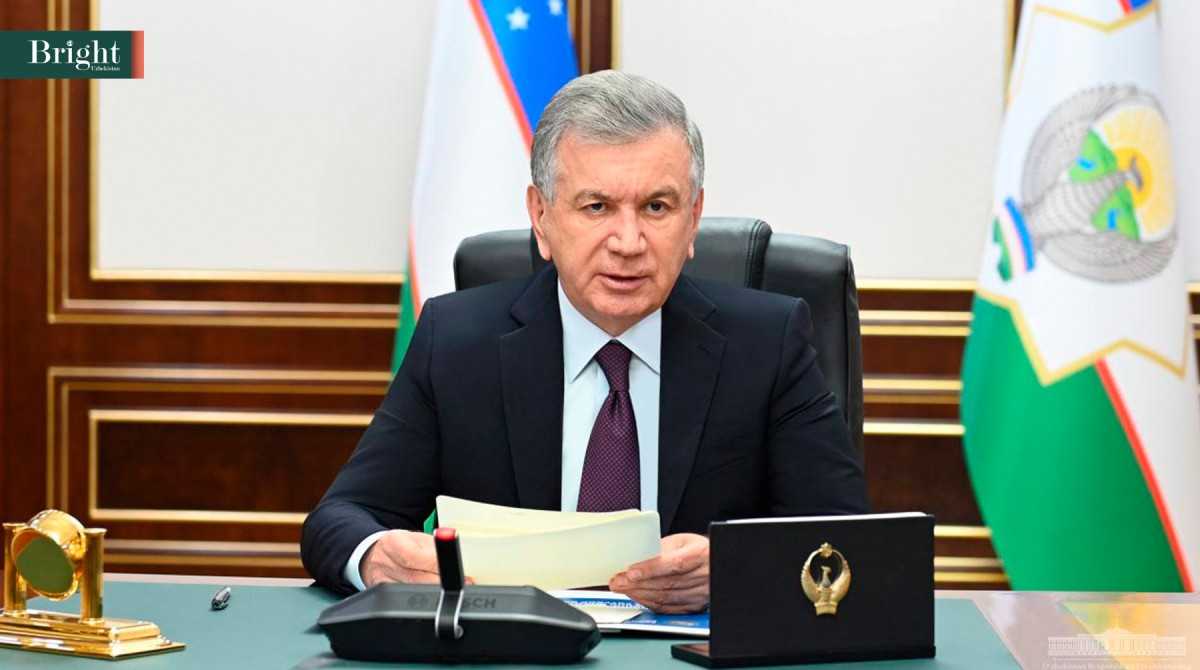
On November 14, President Shavkat Mirziyoyev held a meeting on priority tasks in the field of justice.
The fate of people, systematic work and the development of various spheres often depend on the activities of the courts. That is why measures are being taken in our country to strengthen the independence of the courts, to ensure impartiality, fairness and legality in the consideration of cases. Over the past six years, more than 50 laws, decrees and resolutions concerning the judicial system have been adopted.
During this period, 4 thousand unjustly accused were acquitted, more than 26 thousand people were released from the courtroom, 47 thousand citizens were cleared of charges brought by the investigation.
Increasing confidence in the judicial system also affects the economy and business development. In particular, the number of enterprises has doubled in six years and reached 530 thousand. The economy received $39 billion of foreign investment. Today there are more than 15 thousand foreign and joint ventures.
The Development Strategy of our country defines the goal of implementing the principles of real equality and competitiveness of the parties in the judicial process, increasing the level of access of citizens and business entities to justice. Based on this, the responsible persons and specialists studied the problems on the ground, talked with people.
At the meeting, the identified problems were analyzed and proposals for reforming the sphere were discussed.
It was noted that an average of 1.5 million people apply to the courts every year. There is a lot of red tape, as the regional courts do not show sufficient responsibility for making fair decisions. For example, since the beginning of the year, 18 thousand citizens have appealed to the Supreme Court, dissatisfied with the decisions of the regional courts.
The court proceedings continue as before. The authority of lawyers is low. The investigators stopped working on themselves.
In order to avoid interference in the work of the court, the term of office of judges was extended, and the amount of remuneration for their work was significantly increased. The authority to appoint them to the position has been transferred to the Supreme Judicial Council. But there are still some gaps in this issue.
In this regard, the President gave instructions on the formation of an atmosphere of competition in the courts, improving the work of law enforcement agencies.
The task has been set to increase the responsibility of regional courts, to develop draft laws providing for the adoption by the court of a criminal case not only with an indictment, but also with the opinion of the defender.
The importance of the fundamental reform of the Higher School of Judges, the training of judges on property, family, tax, labor relations for district and regional courts was emphasized. The proposal to strengthen the powers of the judicial community and gradually increase the number of judges was approved.
The Head of State gave instructions to expand the digitalization of the sphere, increase the convenience for people through the mutual integration of information systems and the introduction of modern technologies.