Two more elements of our intangible cultural heritage inscribed on the UNESCO List
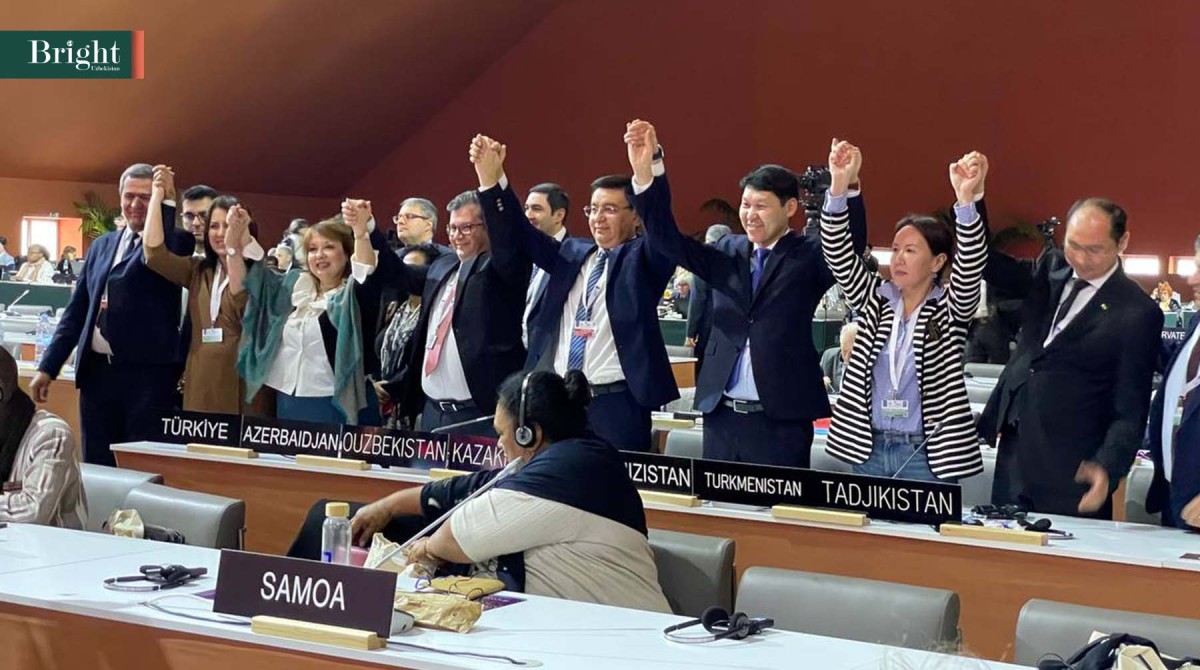
The 17th session of the Intergovernmental Committee for the Safeguarding of the Intangible Cultural Heritage (ICSSPE) in Rabat (Morocco) was a significant cultural event for Uzbekistan. Two multinational elements with the participation of the Uzbek side were included in the Representative List of the Intangible Cultural Heritage of Humanity during the session.
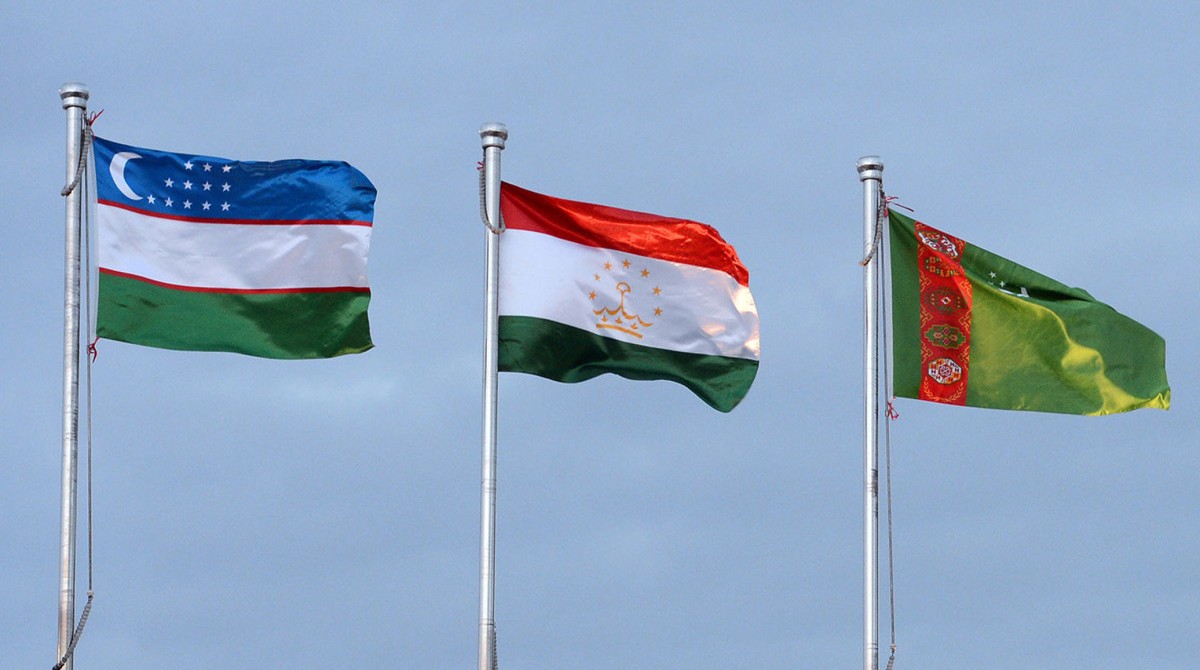
The first file titled "Silk weaving and traditional silk production for weaving" was prepared by Uzbekistan together with Afghanistan, Azerbaijan, Iran, Tajikistan, Turkmenistan and Turkey. The second nomination is called "Traditions of retelling the parable of Khoja Nasreddin", developed by the Uzbek side together with Azerbaijan, Kazakhstan, Kyrgyzstan, Tajikistan, Turkmenistan and Turkey.
The Committee's evaluation committee highly appreciated the joint work of the states involved in the preparation of the nomination documents and noted their compliance with all the criteria for inclusion in the Representative List.
During the presentation of the nominations, videos were shown detailing the historical role and significance of the elements in enriching cultures, supporting local economies, strengthening mutual respect and intercultural dialogue. The participants paid special attention to the traditional silk production technologies and the considerable efforts made in Uzbekistan in recent years to develop silkworm breeding. Of notable interest was a unique monument erected to Hoja Nasreddin in Bukhara, a popular and much-loved character in folklore.
Thus, the total number of elements of Uzbekistan included in the Representative List has reached 11. Previously, this list included "Bakhshi", "Lazgi", "Palov", "Askia", "Miniatur", "Navruz", "Shoshmakom", etc. The Margilan Craft Development Center for the preservation of traditional atlas and adras technologies has been included in the Register of Best Practices for the Safeguarding of Intangible Cultural Heritage.






The 17th session of the Intergovernmental Committee for the Safeguarding of the Intangible Cultural Heritage (ICSSPE) in Rabat (Morocco) was a significant cultural event for Uzbekistan. Two multinational elements with the participation of the Uzbek side were included in the Representative List of the Intangible Cultural Heritage of Humanity during the session.
The first file titled "Silk weaving and traditional silk production for weaving" was prepared by Uzbekistan together with Afghanistan, Azerbaijan, Iran, Tajikistan, Turkmenistan and Turkey. The second nomination is called "Traditions of retelling the parable of Khoja Nasreddin", developed by the Uzbek side together with Azerbaijan, Kazakhstan, Kyrgyzstan, Tajikistan, Turkmenistan and Turkey.
The Committee's evaluation committee highly appreciated the joint work of the states involved in the preparation of the nomination documents and noted their compliance with all the criteria for inclusion in the Representative List.
During the presentation of the nominations, videos were shown detailing the historical role and significance of the elements in enriching cultures, supporting local economies, strengthening mutual respect and intercultural dialogue. The participants paid special attention to the traditional silk production technologies and the considerable efforts made in Uzbekistan in recent years to develop silkworm breeding. Of notable interest was a unique monument erected to Hoja Nasreddin in Bukhara, a popular and much-loved character in folklore.
Thus, the total number of elements of Uzbekistan included in the Representative List has reached 11. Previously, this list included "Bakhshi", "Lazgi", "Palov", "Askia", "Miniatur", "Navruz", "Shoshmakom", etc. The Margilan Craft Development Center for the preservation of traditional atlas and adras technologies has been included in the Register of Best Practices for the Safeguarding of Intangible Cultural Heritage.