9 golden rules of proper nutrition in Ramadan
The Sanitary and Epidemiological Surveillance and Public Health Service has issued a number of recommendations for a healthy diet and gastrointestinal health during Ramadan.
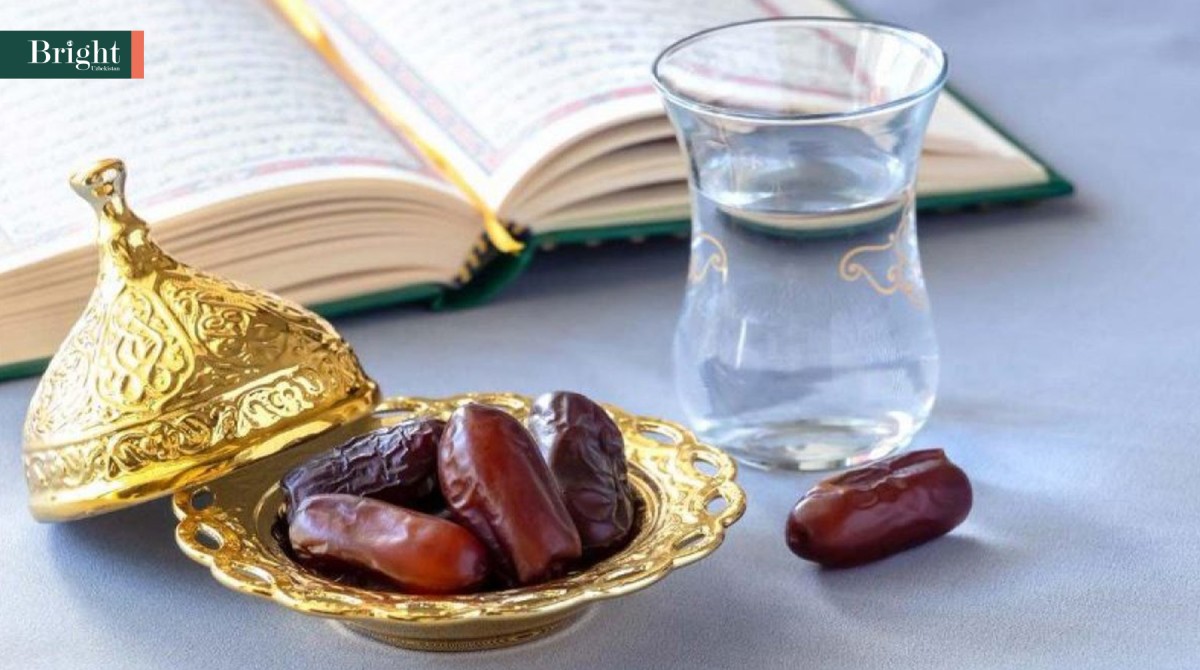
Start your meal with dates.
Dates are a source of carbohydrates that provide energy during the day during fasting. Palm fiber regulates the functioning of the digestive tract. In addition, dates are rich in magnesium and potassium.
Drink plenty of water
It is important to drink enough water to keep your body hydrated, especially in hot weather. Drink enough water during the day after breakfast and before breakfast to quench your thirst.
Avoid thirsty foods and products
Avoid salty foods, canned food, pickles, fish. Also, avoid foods rich in spices as they will make you feel thirsty. Eat more fruits and vegetables, which refresh and replenish the body's water reserves.
Iftar slowly, without rushing
After a long period of starvation, a large amount of food enters the body - stress. Try to be moderate. Start your iftar with dates and water, then eat a liquid or a salad. After a while, move on to the main course. Overeating can cause digestive problems and stomach pain.
Make sure you have all the necessary nutrients in your food
Make sure your diet includes protein, vegetables, cereals, fruits, and fats.
Choose healthy foods
Your diet should include grains, cereals, chicken, lean meats, fish, olive oil, and fruits. Avoid fried, salty and fatty foods. Meat, legumes, eggs and dairy products are rich in protein. Try to eat at least one of these foods every day.
Avoid sweets
Sweets after iftar cause gas to accumulate in the stomach and disrupt digestion. It also raises blood glucose levels, which further increases the need for sweets. Therefore, it is recommended to eat sweets 2-3 hours after iftar. But eating healthier foods instead of sweets, such as dates, dried fruits, and fresh fruits, can improve your health.
Avoid drinking coffee
Try to reduce your coffee consumption during Ramadan to avoid headaches and insomnia.
Get in the habit of eating lightly between iftar and breakfast
It is recommended to divide the main meal into three parts and have a light meal between iftar and breakfast. One-third is complex carbohydrates, one-third is lean meat or fish, and the rest is vegetables, which is a healthy balanced diet.