Air pollution poses a serious threat to human health
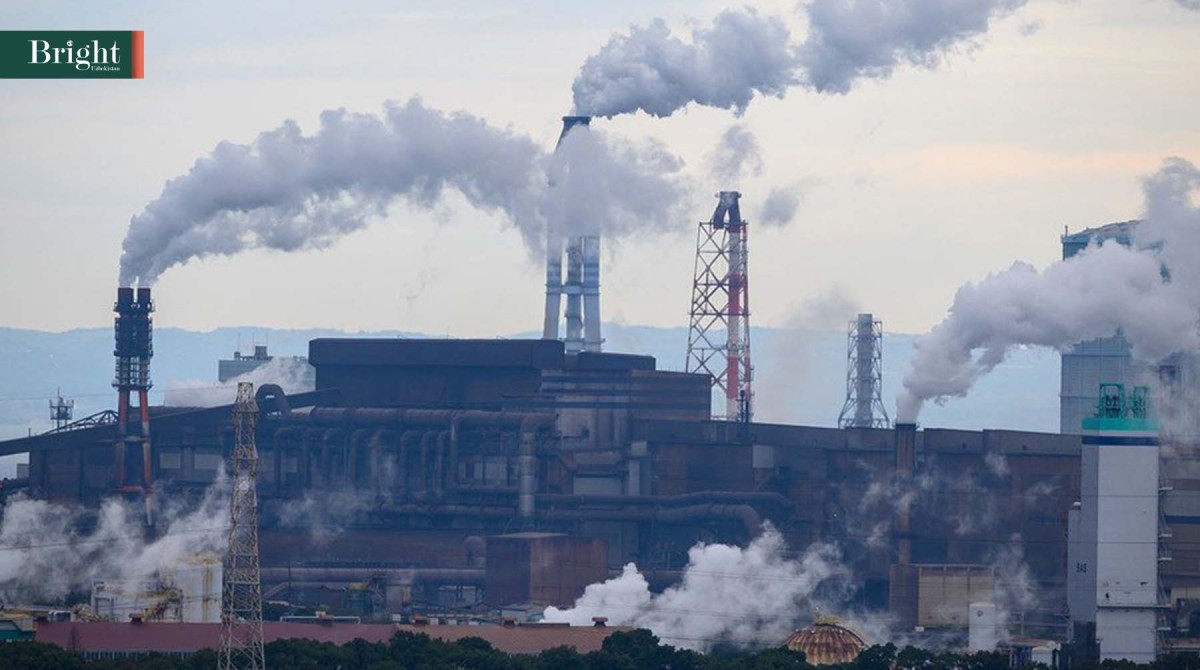
A United Nations report says 99 per cent of the world's population breathes air that exceeds World Health Organisation (WHO) standards and poses a threat to human health.
It reports that air quality monitoring has been carried out in more than 6,000 cities in 117 countries around the world.
Ambient air pollutants have been observed to cause significant health damage, even at low levels. It is also noted that particulate matter can penetrate deep into the lungs and affect the circulatory, cardiovascular and respiratory systems.
Scientists believe the particles affect a number of other organs as well. Concentrations of nitrogen dioxide in the air cause respiratory diseases, especially asthma.
Moreover, increases in fine particles and nitrogen dioxide in polluted air are mostly found in low- and middle-income countries. Scientists are calling for a number of measures to curb the use of fossil fuels and reduce air pollution.
They say there is an urgent need to reduce emissions in all sectors of the economy, including agriculture, energy, transport and transportation, as well as to change people's behaviour, from diet to space heating.
The report says more action is needed on ammonia, which in some cases should include non-technical measures such as dietary changes, including reducing meat consumption.
The report warns that under current legislation, by 2050 only a third of the region's population will be breathing air of a quality that meets WHO recommendations.