European Union may impose sanctions against Uzbekistan
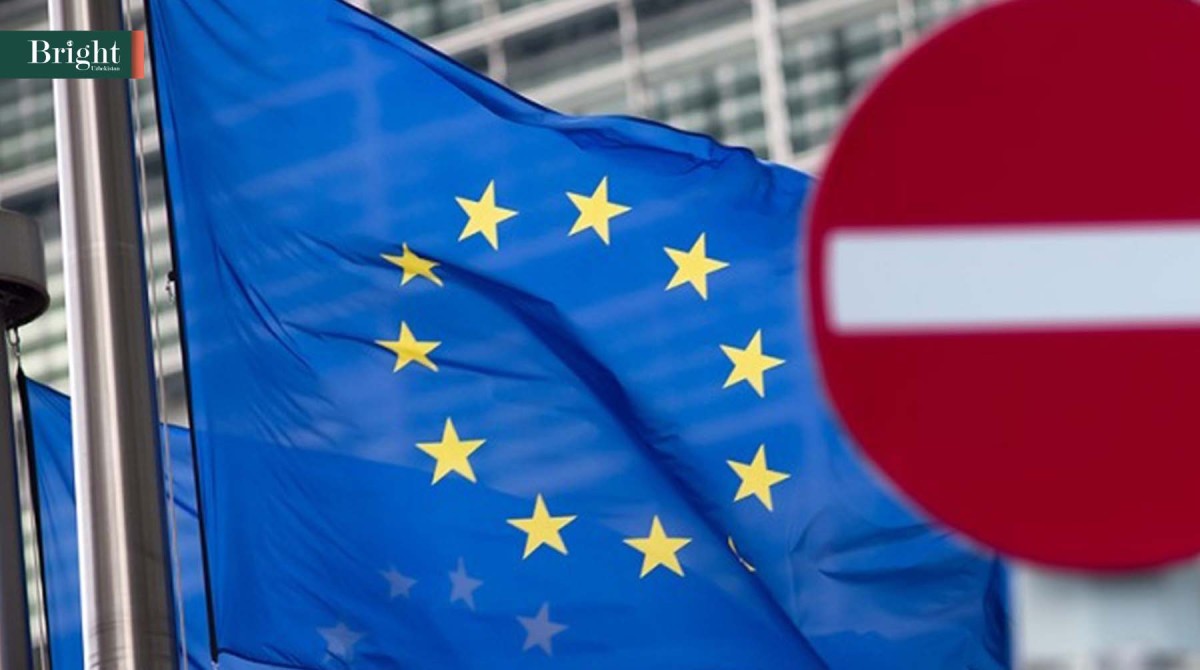
The European Union may impose trade restrictions on countries that help Russia buy washing machines and used cars to repair its battle-scarred tank fleet. This was reported by the British publication The Telegraph.
Officials monitoring trade flows have reportedly noticed a significant increase in trade in consumer goods between Russia and the Kremlin's traditional allies in Central Asia.
According to a confidential document that has come to The Telegraph's attention, EU countries are discussing plans to impose trade restrictions against Central Asian countries that are actively helping Russia.
"There are concerns that the new trade routes, whose activity has increased by 60-80%, are being used by Russia to circumvent sanctions designed to paralyse its war machine," the report said.
It noted that if the EU finds evidence of re-exports to Russia, it could restrict any country, business or individual's access to its single market.
"We must send a strong signal to individuals and entities that are located in other countries," the confidential document said.
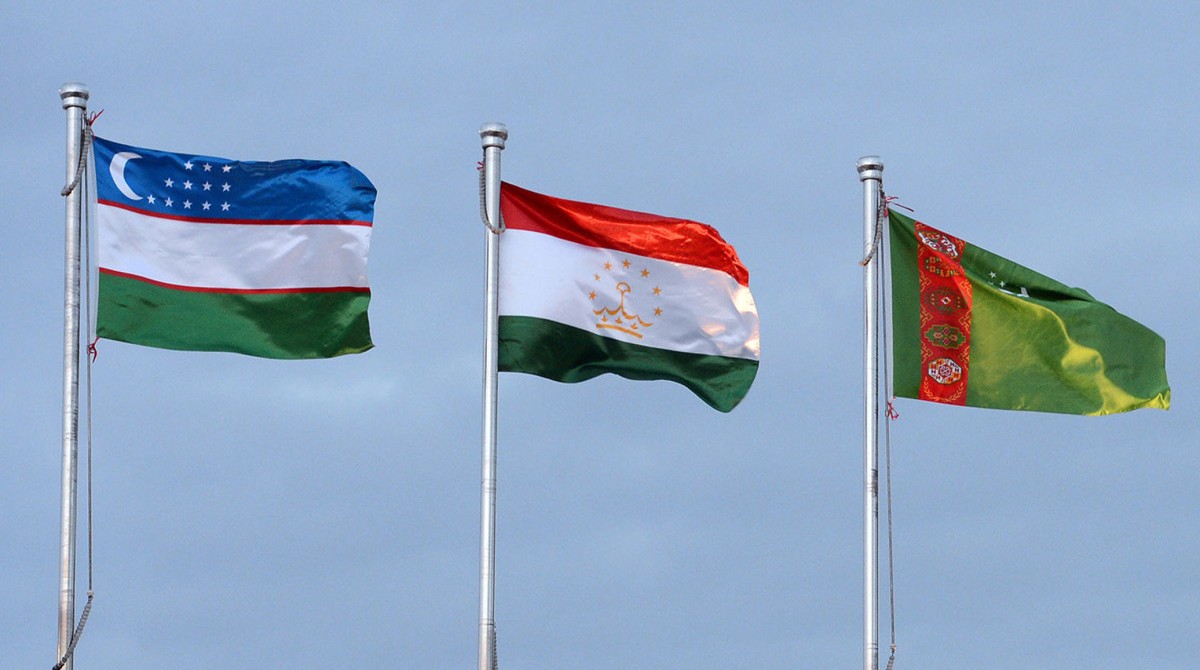
The document notes that mainly washing machines, used cars and cameras are among the goods exported from the EU to countries such as Kazakhstan, Kyrgyzstan and Uzbekistan. There are concerns that many goods are disassembled and semiconductors and other components are used to rebuild Russian tanks, armoured personnel carriers and drones. Such "spare parts" are often found in Ukraine.
Most of the cargo exported from the EU is sent to Belarus via the land border with Lithuania and then re-exported to Central Asia. The report says EU officials can trace export declarations all the way to the union's external border before the shipments actually disappear and are possibly moved to Russia.
"This is a huge problem. A major part of the sanctions structure is being undermined," said a senior EU diplomatic source.
"Most goods leave the EU through the land border with Belarus. Poland has closed the border to close the loophole, but the route between Lithuania and Minsk is still open. Vilnius reported that 97% of trade across its border with Belarus goes to other member states," the publication noted.
It noted that EU officials first plan to hold diplomatic talks with Central Asian countries to warn them of the consequences. Kazakhstan, one of Moscow's closest partners in the region, has already promised to control goods passing through the country.