
Micro robots to treat bacterial pneumonia
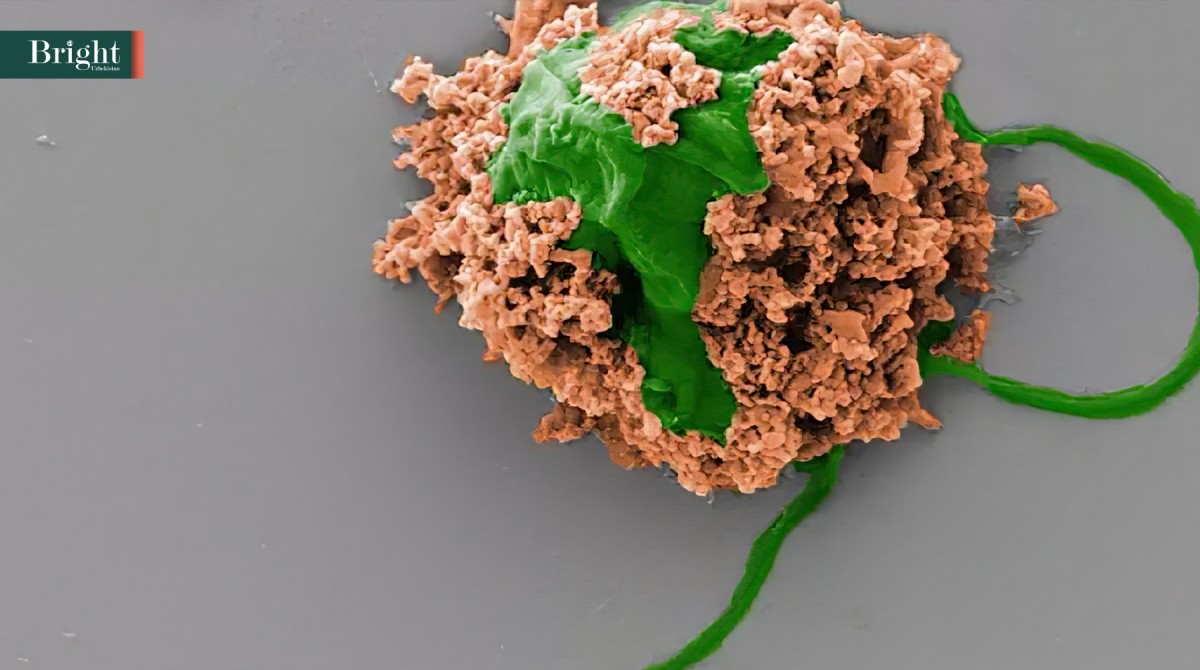
Nanoengineers at the University of California, San Diego have developed micro-robots that deliver targeted drugs to the lungs to treat life-threatening cases of bacterial pneumonia.
In the experiments, the micro-robots destroyed the bacteria that cause pneumonia in the lungs of mice and helped them survive. Pneumonia is caused by the bacterium Pseudomonas aeruginosa, which usually affects IVC patients in intensive care units.
The micro-robots have been developed from seaweed cells, the surface of these cells being coated with nanoparticles containing antibiotics. The seaweed cells allow the micro-robots to float and deliver antibiotics directly to the bacteria in the lungs.
The antibiotic-containing nanoparticles are made up of tiny, biodegradable polymeric spheres coated with neutrophil-like cell membranes.
These membranes absorb and neutralise bacteria and inflammatory molecules produced by the immune system of the body.