
Queen Elizabeth II dies, her son Charles becomes King of Great Britain
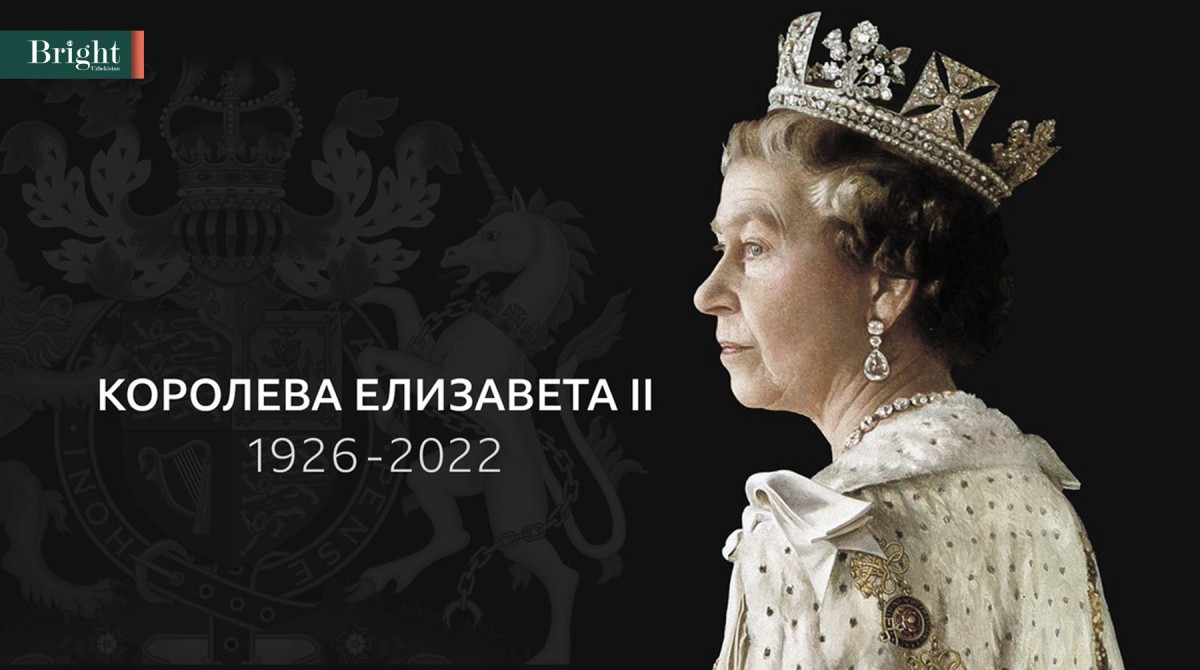
Queen Elizabeth II of Great Britain has died at the age of 96. This year, the country celebrated the 70th anniversary of her reign - the longest reign for a British king and queen. Elizabeth II was also the world's oldest and longest-reigning monarch.
According to information, Buckingham Palace reported the death of Queen Elizabeth II.
Elizabeth II "passed away peacefully" on the afternoon of September 8 at Balmoral Castle, the home of the Scottish royal family, the palace said in a statement. His son Charles became King of Great Britain. He and his wife Camilla, now Queen Consort, will stay at Balmoral and return to London today, the report said.
Buckingham Palace announced on September 8 that doctors are concerned about the Queen's health and have advised her to remain under observation. In addition to Charles and Camilla, the Queen's grandchildren, Princes William and Harry, as well as the remaining children of Elizabeth II - Princess Anne, Prince Andrew and Edward - arrived at Balmoral, Sky News reported. The Queen has been suffering from "episodic mobility issues" since late 2021, Reuters reported, citing Buckingham Palace.
2022 marks the 70th anniversary of Queen Elizabeth II's accession to the throne. She became Queen in 1952 after the death of her father, George VI. At the time of the coronation, he was 25 years old and Winston Churchill was the Prime Minister. Liz Truss became the 15th Prime Minister of Great Britain during the Queen's reign. Elizabeth II remains the longest-serving head of state among kings and queens in the country's history (in 2015, she was ahead of her grandmother, Queen Victoria). The oldest and longest-reigning monarch in the world. In the entire history of the state, only the French king Louis XIV reigned longer (more than 72 years).
The reign of Elizabeth II was characterized by the fall of the British Empire and its transformation into the Commonwealth of Nations: former colonies and territories gained independence. Elizabeth II was the queen not only of Great Britain, but also of several other states such as Canada, Australia and New Zealand. The Queen's personal popularity is seen in the UK as a key factor supporting the monarchy's continued existence in recent years, the Financial Times noted.