
Scientists have found a way to regenerate kidney cells for the first time
NHCS - Singapore's National Heart Centre, scientists from Duke Medical School and German experts have shown for the first time in the world that kidney cells can regenerate. The scientists believe their discovery will prompt a rethinking of existing treatments for chronic kidney disease.
Preliminary results of the study have been published in Nature Communications.
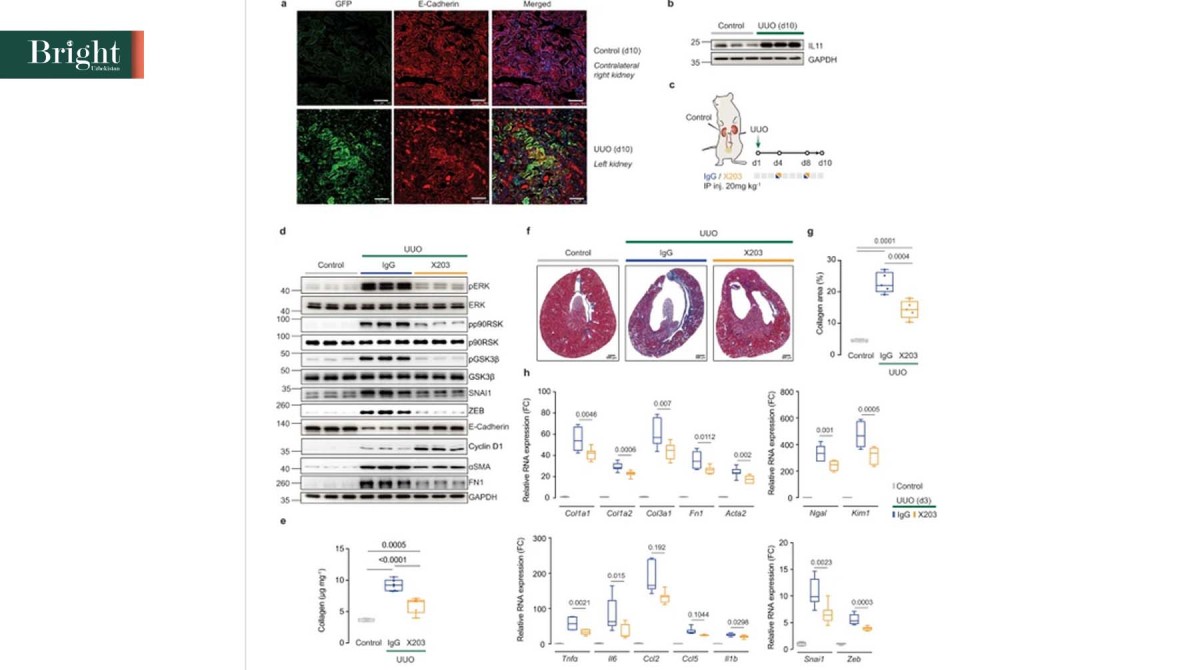
It is noted that in their study, the authors focused on interleukin-11 (IL-11), a protein that causes scarring in the liver, lungs and heart, as well as in acute and chronic kidney disease. Scientists have found that this protein triggers a chain of molecular processes in kidney damage leading to inflammation, fibrosis and organ dysfunction.
However, when this process is blocked by administering an antibody to the IL-11 protein, renal tubule cell proliferation and regeneration, as well as stopping inflammation, result in the return of the kidneys to a healthy state.