
Yandex Taxi's revenue in Uzbekistan exceeds 1 trillion UZS in two years
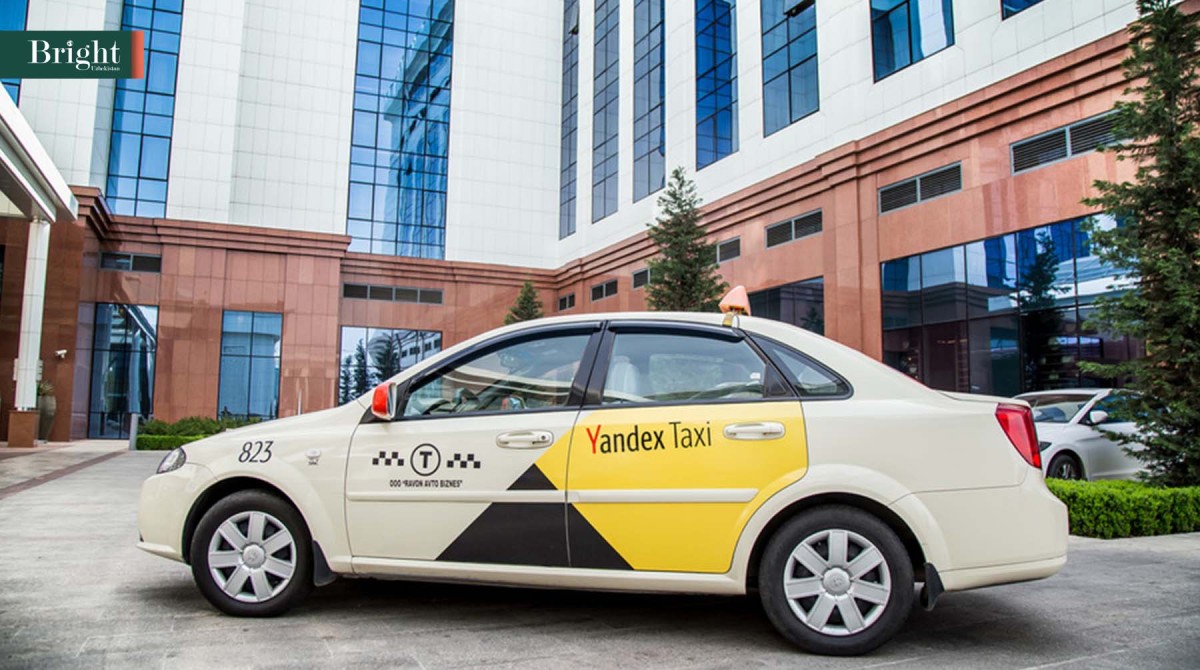
In the wake of social media reports about Yandex.Taxi, the Tax Committee has reported on the company's revenue in Uzbekistan.
How is Yandex Taxi regulated in Uzbekistan?
Ridetech International B.V. (until 30 June 2020 - Yandex Taxi BV), which controls Yandex Taxi app, is a resident of the Netherlands.
In accordance with the Tax Code, the company must pay VAT for the sale of services and tax on non-resident income received from sources in Uzbekistan. When foreign legal entities provide services in electronic form to legal entities of Uzbekistan, the place of sale of which is considered as the territory of our country, the tax agents are the said buyers of such services (Article 255 of the Tax Code).
Considering that Ridetech International B.V. sells services to legal entities of Uzbekistan, in this case tax agents are local enterprises which provide transportation services - aggregators.
As of today there are 135 passenger transportation aggregators in the country, which organize the provision of Yandex Taxi service.
How is the revenue from the service distributed?
During 2021-2022 the total revenue of 135 aggregators from providing services in Uzbekistan through Yandex Taxi platform exceeded 1 trillion soums, which is distributed as follows:
84% or 889.6 billion UZS to individuals;
5% or 53 billion UZS to aggregators;
11% or 116.5 billion UZS to Ridetech International BV.
How much tax has been paid?
For services provided to aggregators by Ridetech International B.V. in 2021-2022, a total of 116.5 billion soums was paid to the budget 17.5 billion UZS of VAT.
Income of Ridetech International B.V. from granting the right to use Yandex Taxi program to taxi fleets is recognized as royalty and is subject to taxation on income of a non-resident (Article 351 of the Tax Code).
However, in accordance with the convention concluded on 18 January 2001 between Uzbekistan and the Kingdom of the Netherlands on avoiding double taxation of income and preventing fiscal evasion with respect to income and capital, the tax rate on income in the form of royalties is reduced to 0%.
As a result, income of Ridetech International B.V. derived from sources in Uzbekistan is not subject to taxation in Uzbekistan. In turn, aggregators are payers of generally established taxes under Article 237 of the Tax Code.
Specifically, in 2021-2022, 135 aggregators paid 15.2 billion soums in taxes from income received in 2021-2022:
9.7 billion UZS of VAT;
1.6 billion UZS of income tax;
3.9 billion UZS of personal income tax.
Providing the population with a source of income
More than 81,000 drivers in the country are connected to Yandex Taxi service, and according to the contracts, 84% of total income remains with these citizens. Specifically, in 2021-2022, self-employed taxi drivers are left with 889.6 billion soums as income.
The list of activities that the self-employed may engage in includes passenger transportation by motor vehicles. Income from employment by self-employed persons is not taxable (article 369 (9) of the Tax Code).
In this regard, the income of citizens providing passenger transportation services as self-employed persons remains entirely at their disposal.
What is expected in the near future?
The Tax Committee is currently working on integrating the Yandex Taxi platform with the information system of the tax authorities, in particular - automatic generation of receipts with a fiscal stamp.