
French baguette is entered in the UNESCO list of intangible heritage
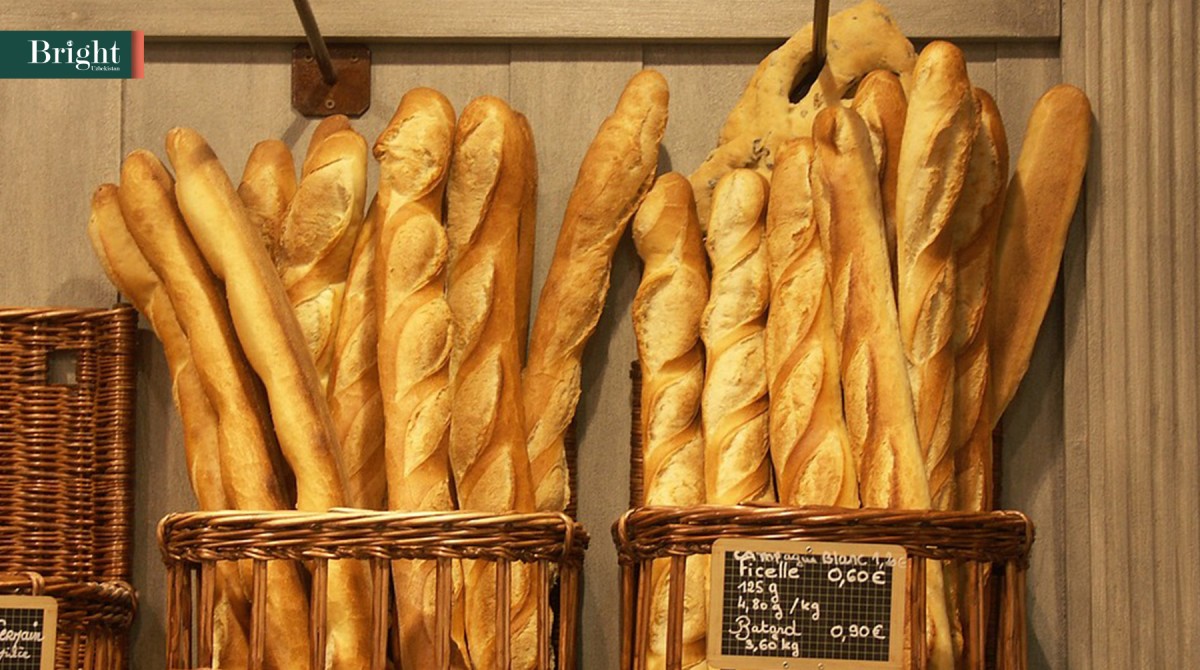
The French baguette is on the UN list of intangible cultural heritage as a valuable tradition that humanity must preserve. Sources note that the baguette was invented in 1839 by Augustus Sang, a baker born in Vienna.
UNESCO experts meeting this week in Morocco decided that the simple French "flute," made only from flour, water, salt and yeast, deserves UN recognition.
This comes after the French Ministry of Culture warned of a "continuing decline" in the number of traditional bakeries. Reportedly, about 400 bakeries have closed each year over the past half century.
Mrs. Azoulay, France's former minister of culture, said that "it is important that these craft knowledge and social practices continue to exist in the future.
The French government has also announced that it plans to create an artisanal baguette day called Open Bakery Day to better connect the French with their heritage.
Despite the decline in the number of traditional bakeries, 67 million people in France are still consumers of baguettes bought in various retail outlets, including supermarkets.